
• Art Feature by AHJ – 2025 •
All information and images belong to Morse Museum.
By Himan J.
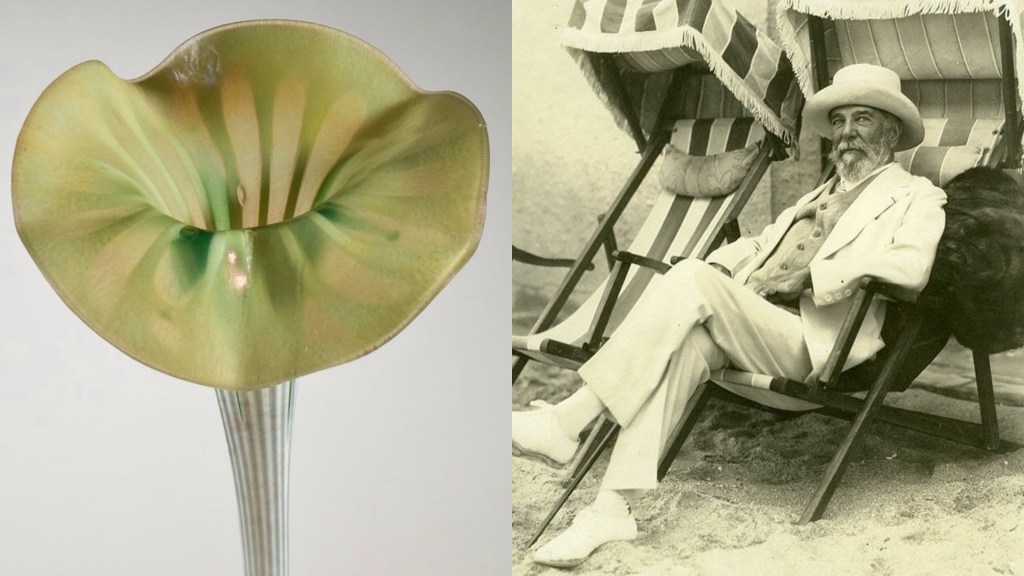
Scroll through as we celebrate the legacy of Louis Comfort Tiffany. An influential figure in the Art Nouveau movement, Louis Comfort Tiffany’s colorful, naturalistic aesthetic remains a major inspiration for Tiffany @tiffanyandco designers even today.
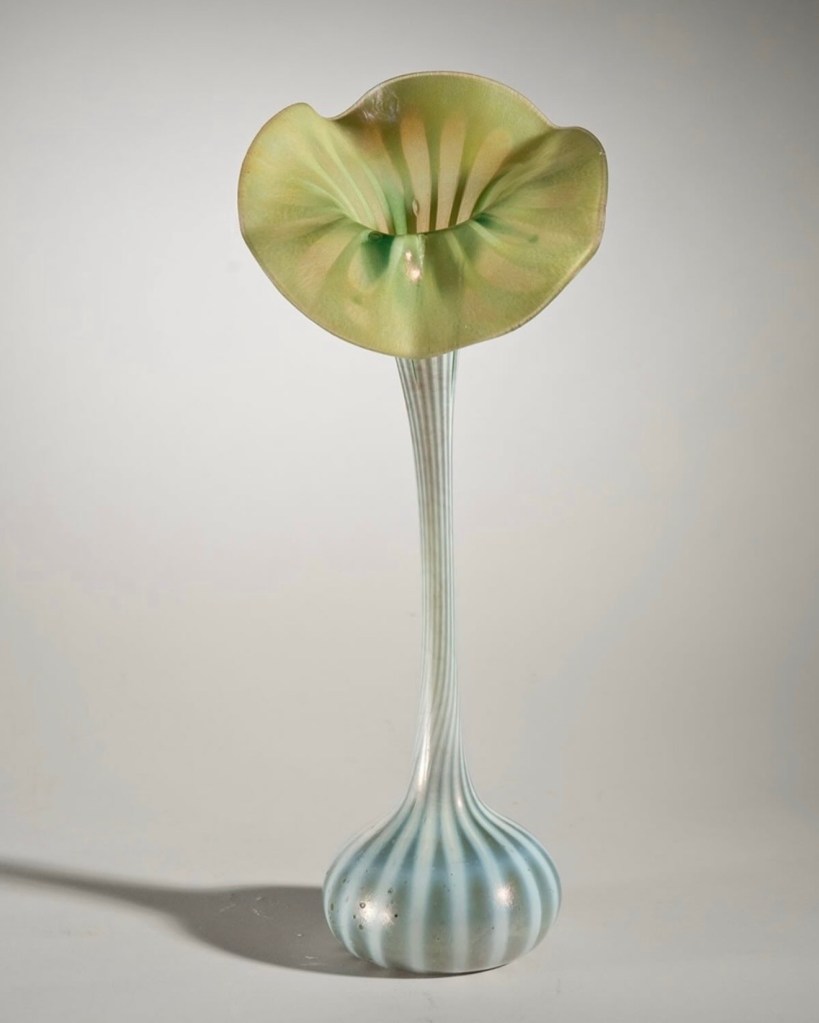
Louis became Tiffany’s first official Design Director in 1902, and is celebrated due to the diversity of his artistic achievements and his love for materials such as glass, mosaics, bronze, lamps and jewelry.
c. 1899, “Secrets of Tiffany Glassmaking”
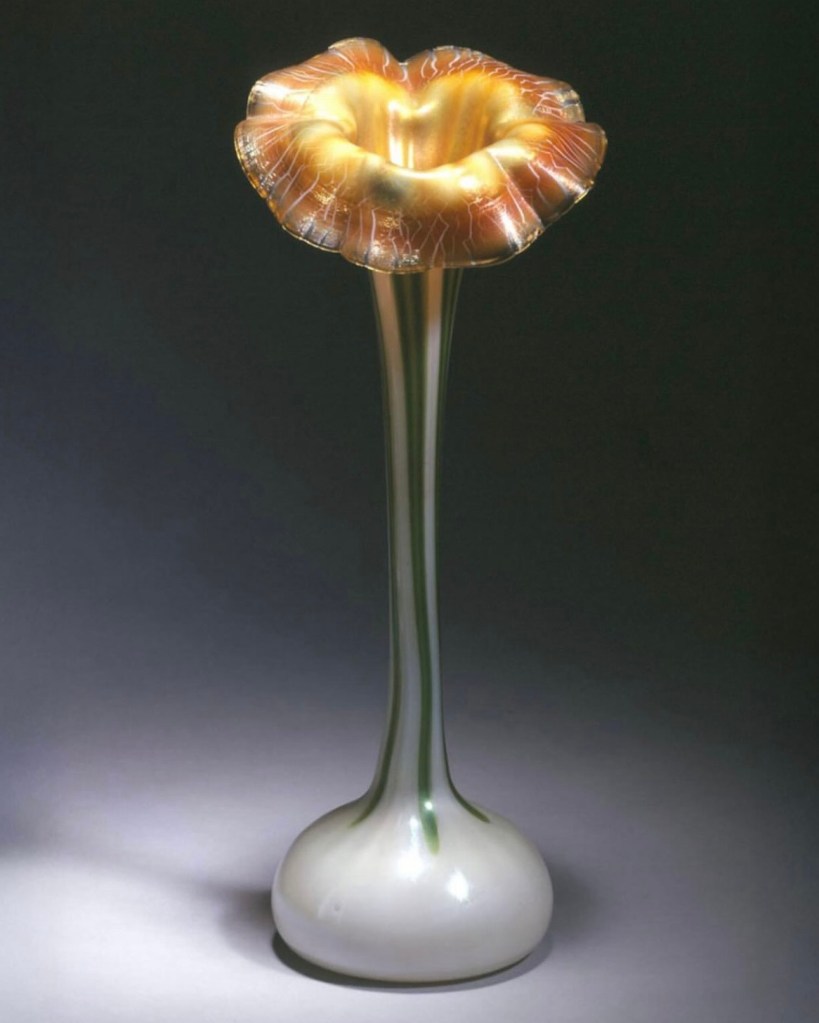
Tiffany is inextricably linked to the American decorative arts and may be pronounced one of the most creative and prolific designers of the late 19th-century.
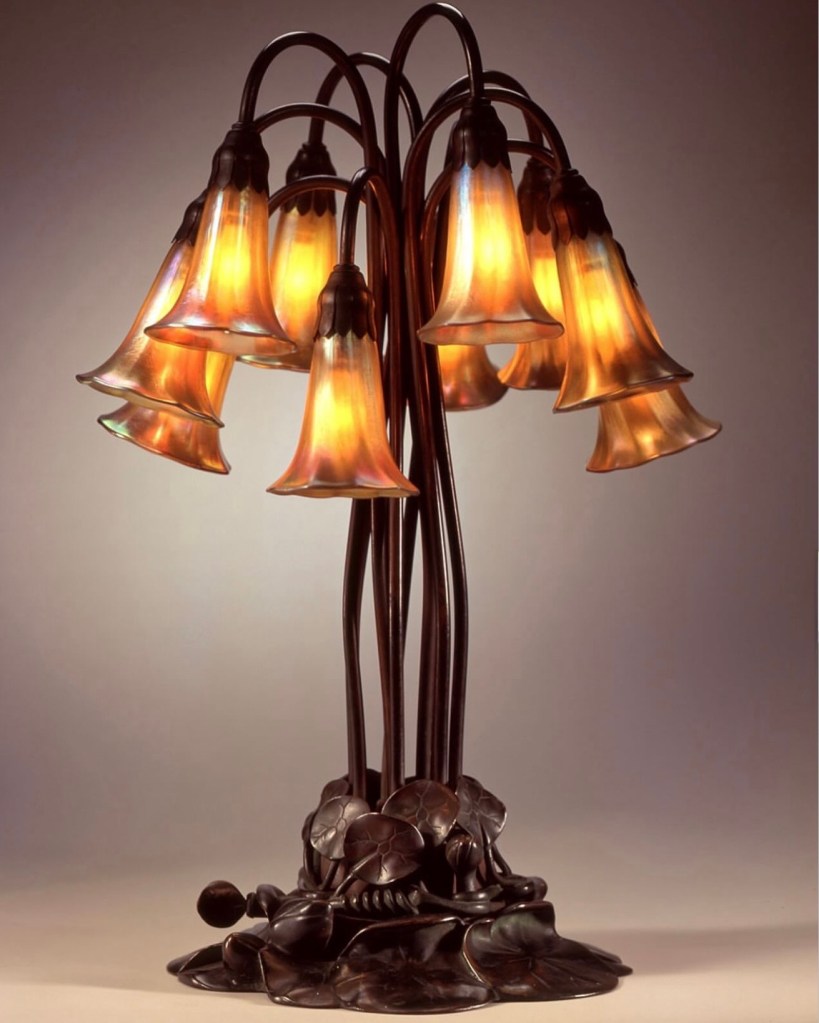
“Nature is always beautiful,” Louis Comfort Tiffany (1848-1933) famously used to say.
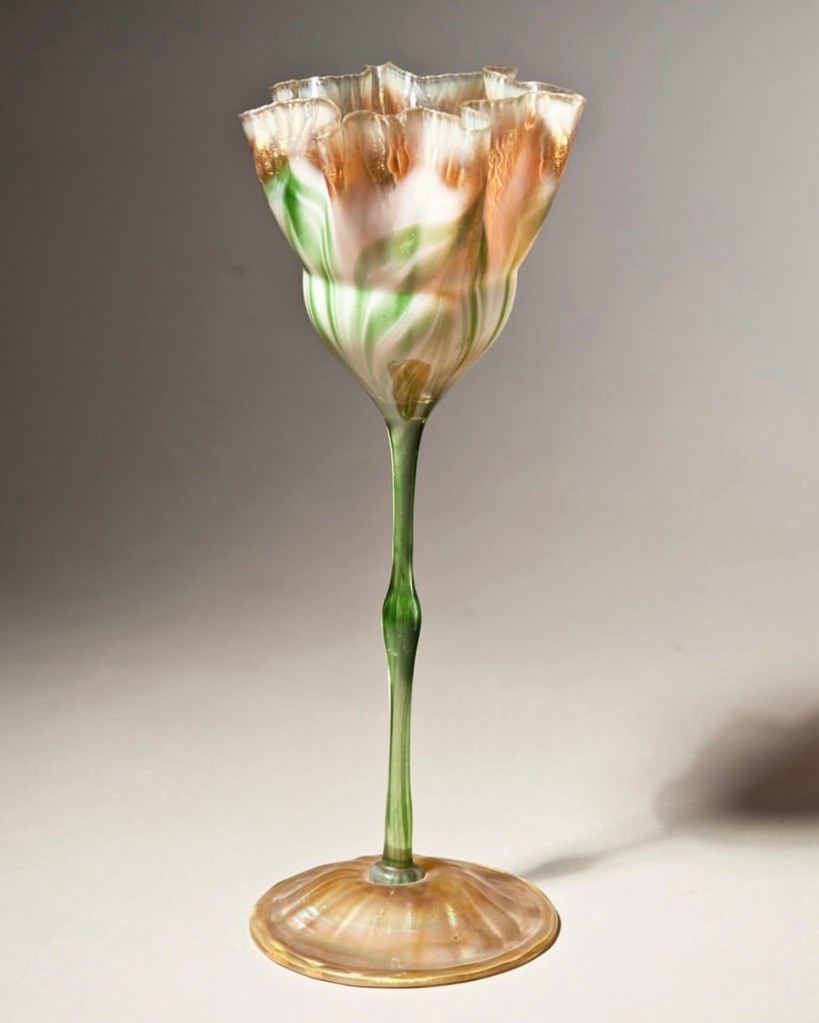
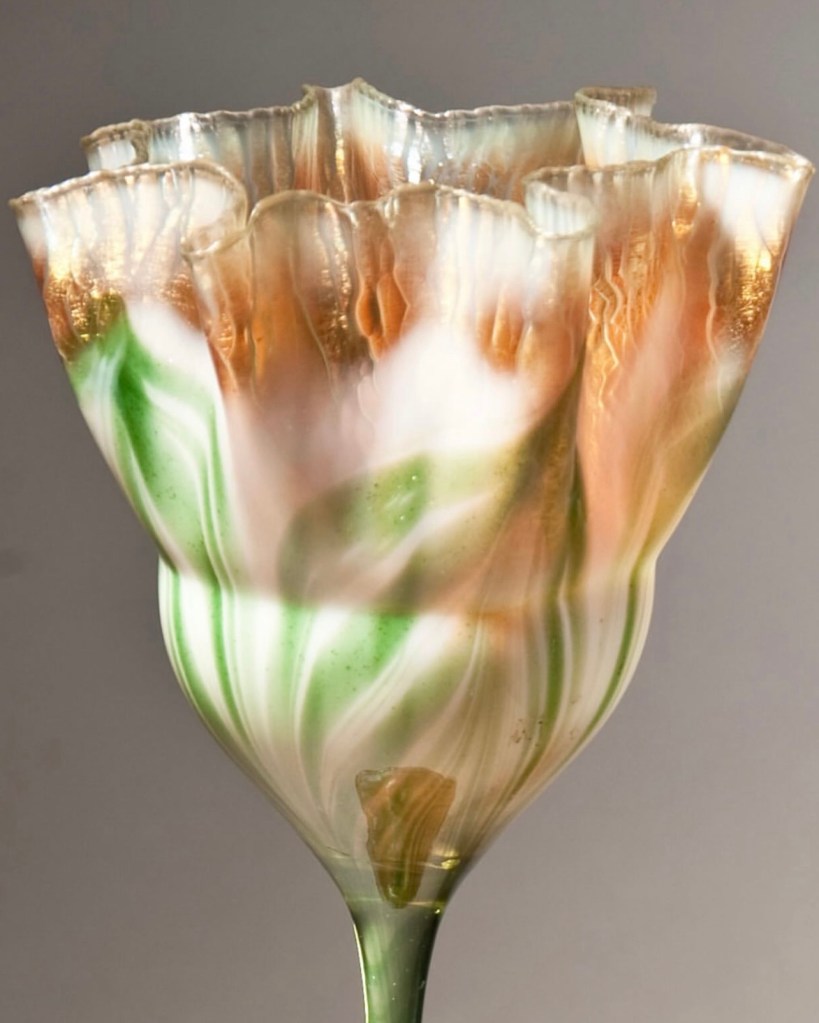
Fun Fact: Morse Museum @morsemuseum of American Art is home to the world’s most comprehensive collection of works by Louis Comfort Tiffany.
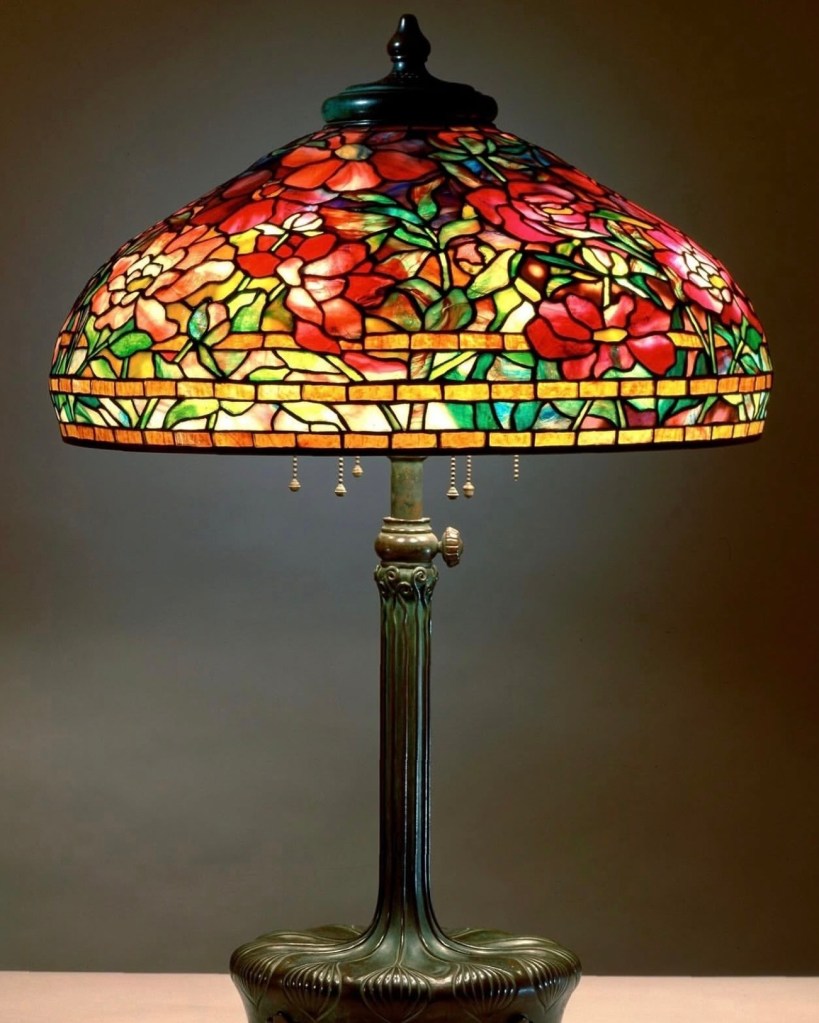
c. 1905, “Lamps and Lighting-Tiffany and His Contemporaries”
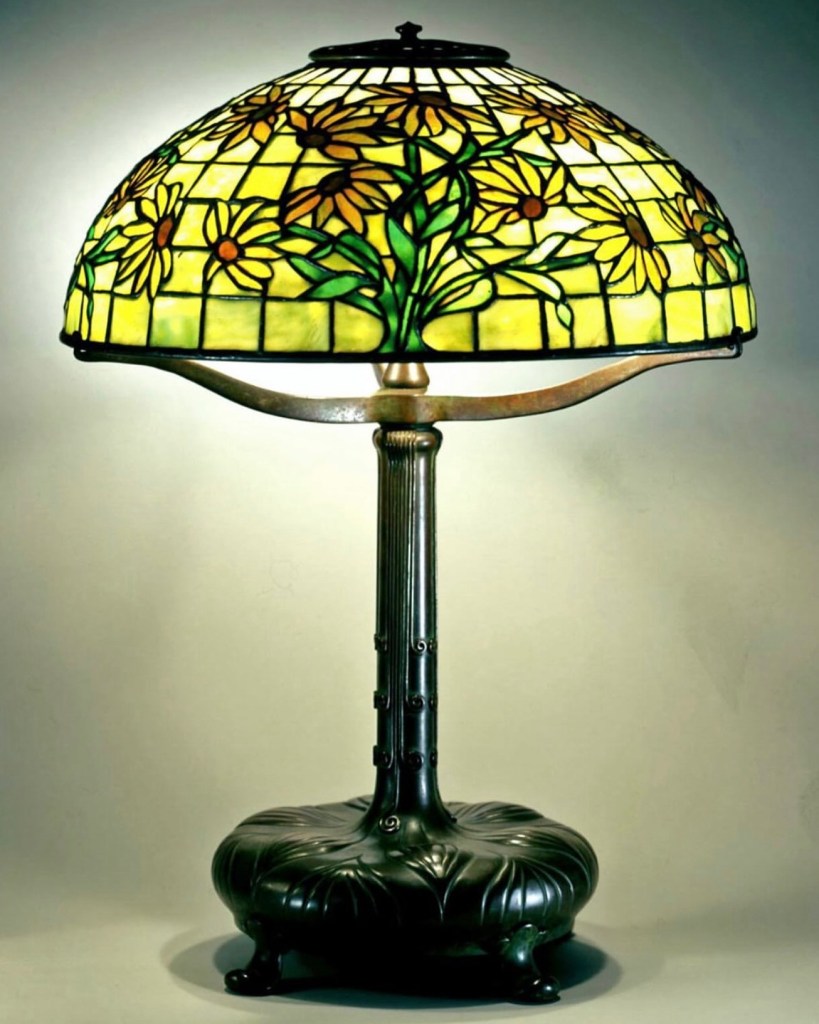
c. 1910, “Lamps and Lighting-Tiffany and His Contemporaries”
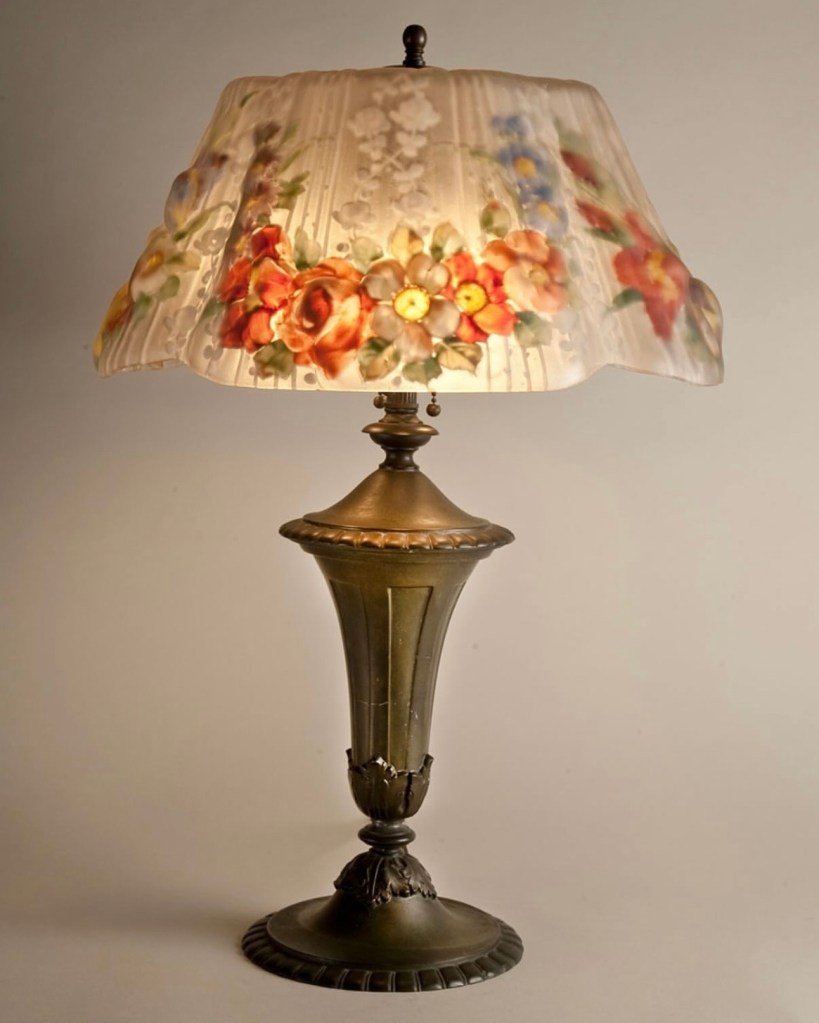
c. 1907, “Lamps and Lighting-Tiffany and His Contemporaries”
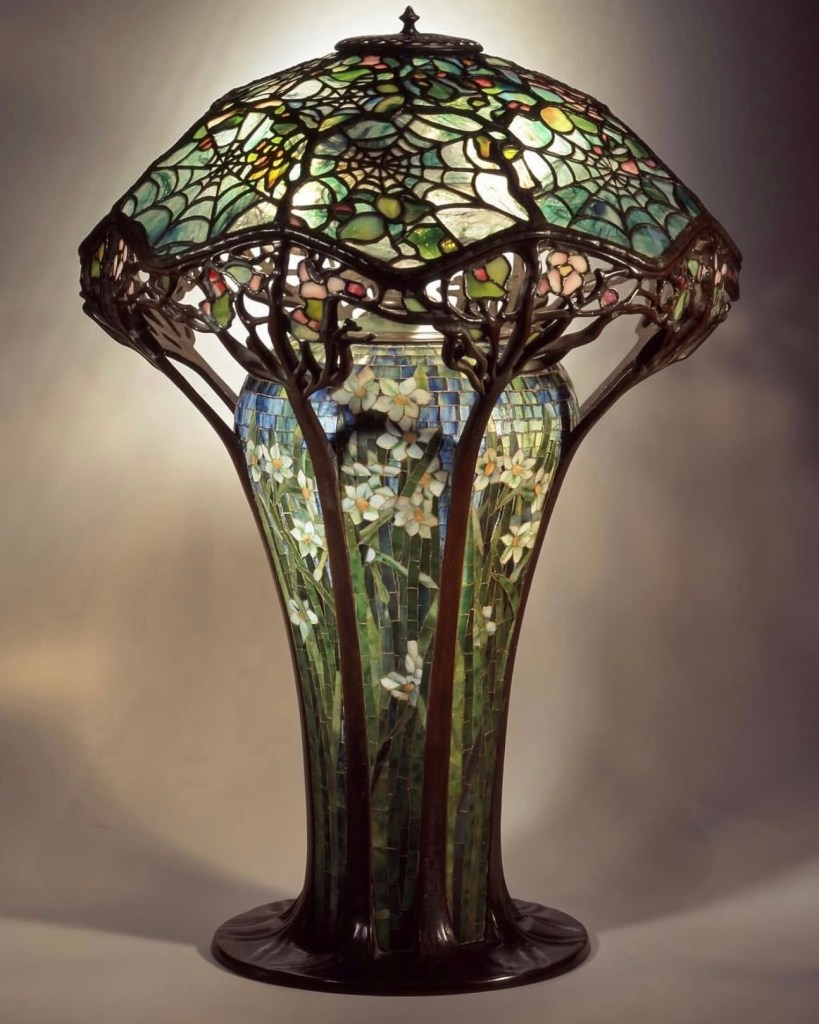
c. 1900, “Lamps and Lighting-Tiffany and His Contemporaries”
The upper floor of the home remains equally true to the concept of openness and light. The family area, bedrooms, and playroom each evoke a sense of relaxation, with large windows framing unobstructed views of the sea. The neutral color scheme extends here, offering a visual continuity that pulls the natural world inside, without overwhelming the senses. Even the bathrooms, with their clean lines and open windows, invite the bay’s soft light and colors into the space, further enhancing the quiet harmony of the design.
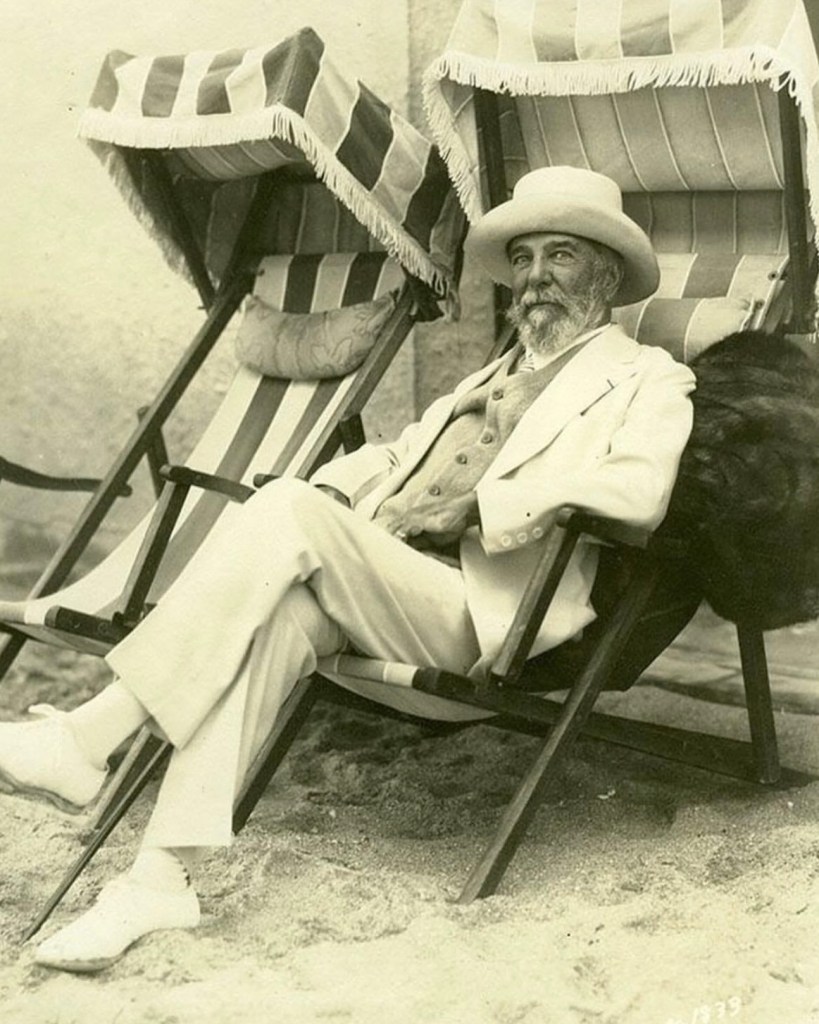
LOUIS COMFORT TIFFANY
February 18, 1848 – January 17, 1933
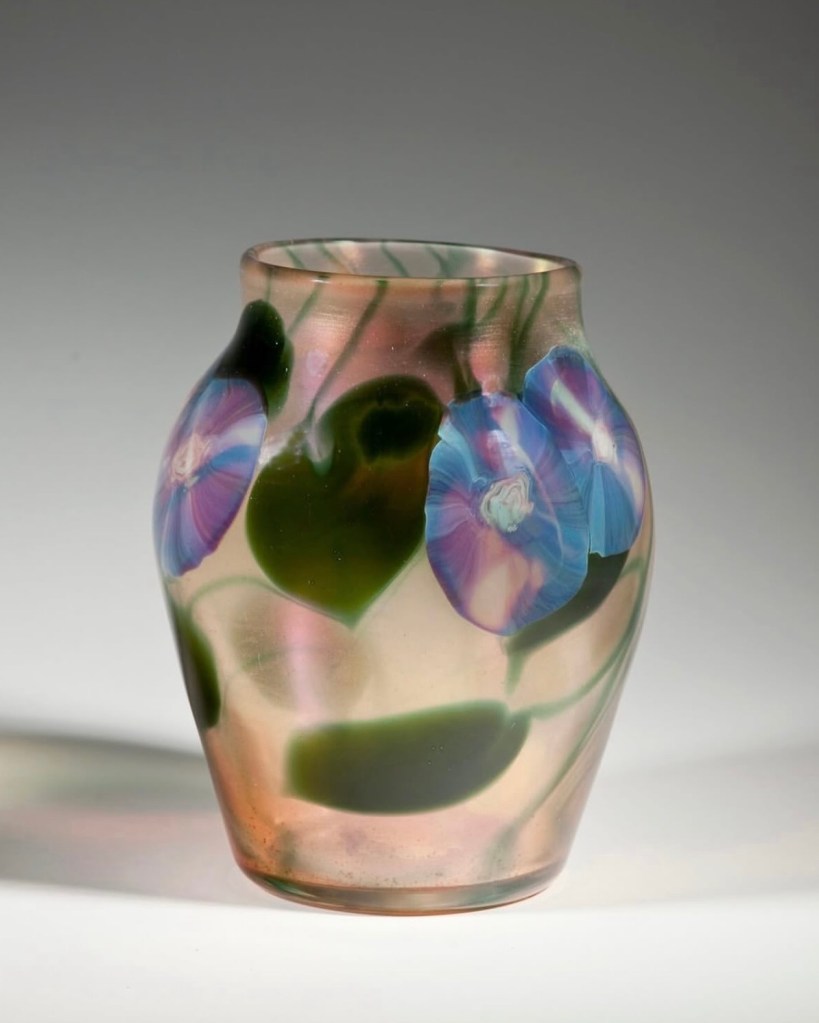
c. 1903, “Tiffany Art Glass from the Morse Collection”
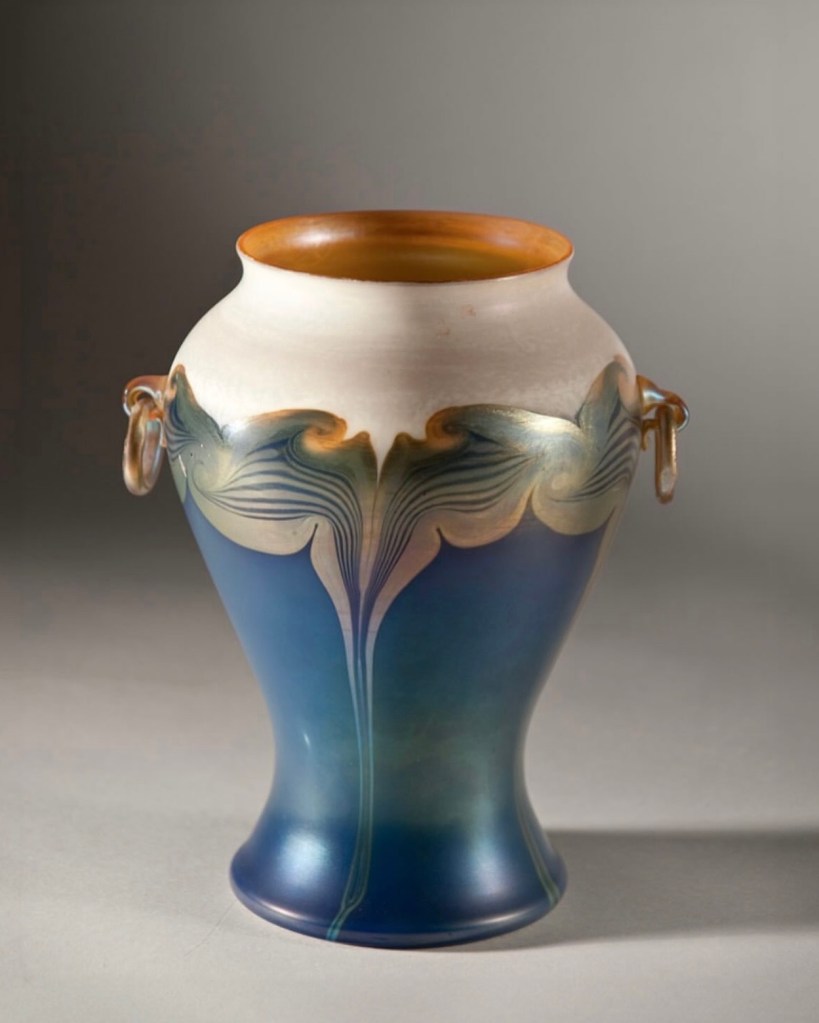
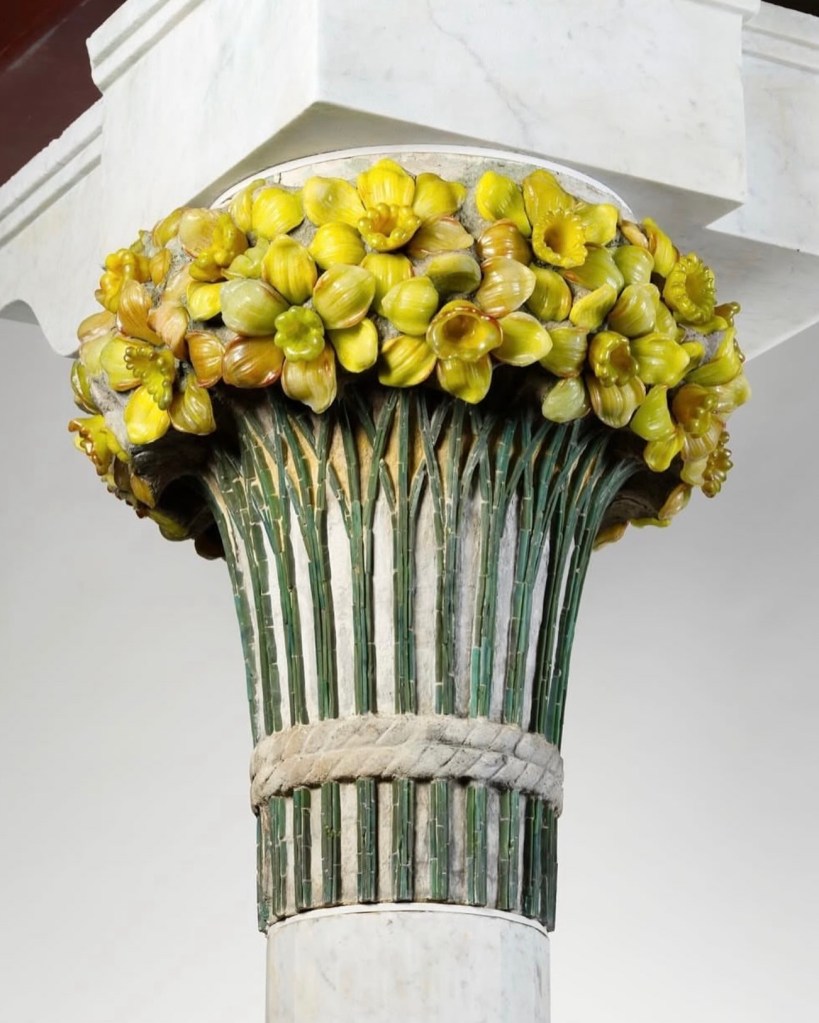
c. 1905, “Louis Comfort Tiffany’s Laurelton Hall”

c. 1905, “Louis Comfort Tiffany’s Laurelton Hall”
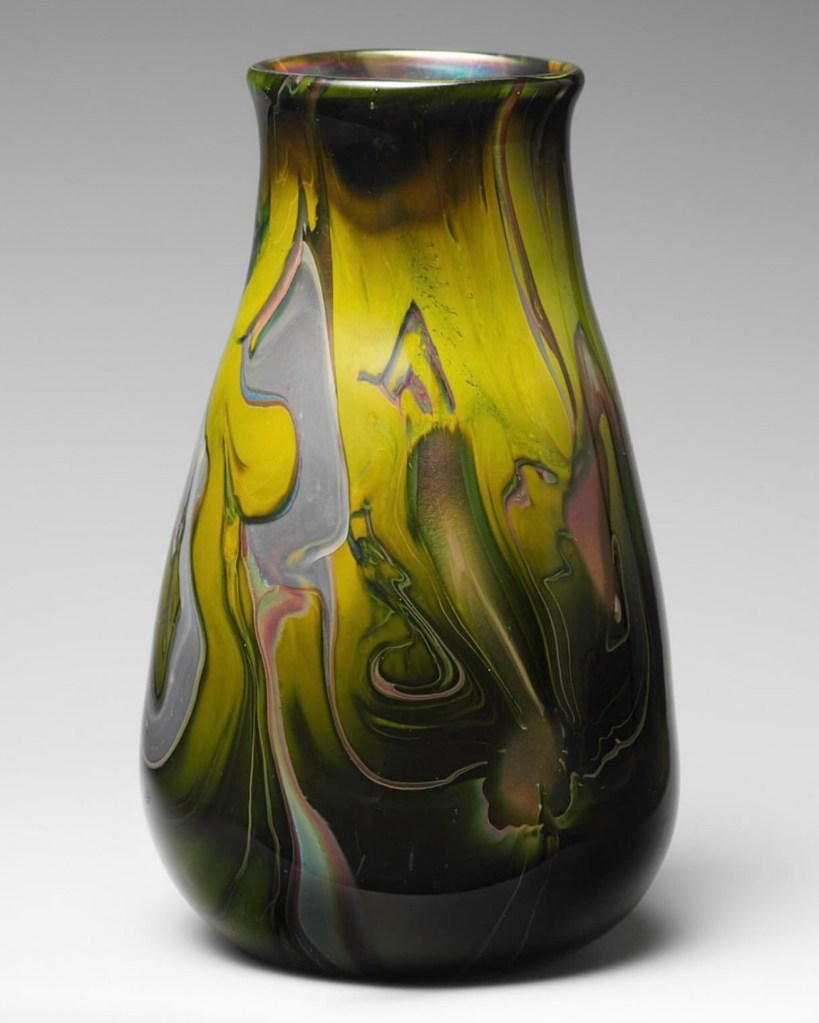
c. 1915, “Louis Comfort Tiffany’s Laurelton Hall”
About Morse Museum
The Charles Hosmer Morse Museum of American Art
morsemuseum.org | @morsemuseum
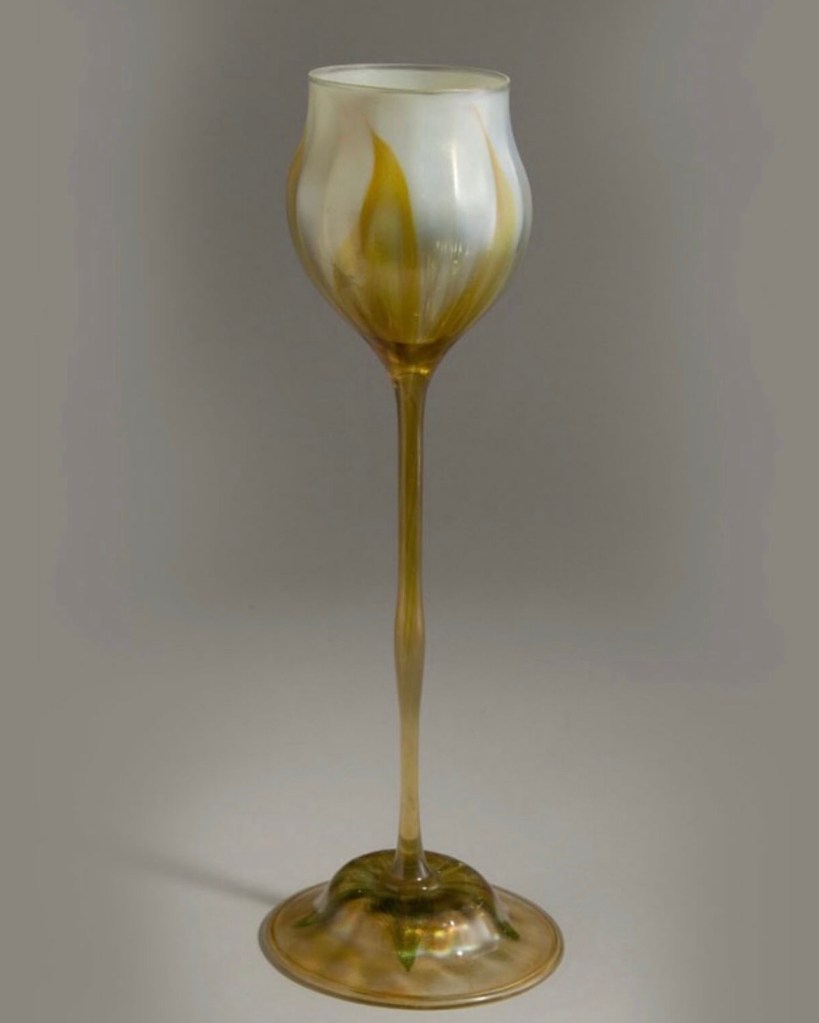
c. 1899, “Louis Comfort Tiffany’s Laurelton Hall”
The Morse Museum houses the world’s most comprehensive collection of works by Louis Comfort Tiffany (1848–1933), including the artist and designer’s jewelry, pottery, paintings, art glass, leaded-glass lamps and windows; his chapel interior from the 1893 World’s Columbian Exposition in Chicago; and art and architectural objects from his Long Island country estate, Laurelton Hall. The Museum’s holdings also include American art pottery, late 19th- and early 20th-century American paintings, graphics, and decorative art.


Leave a comment